
Allan Sutherland
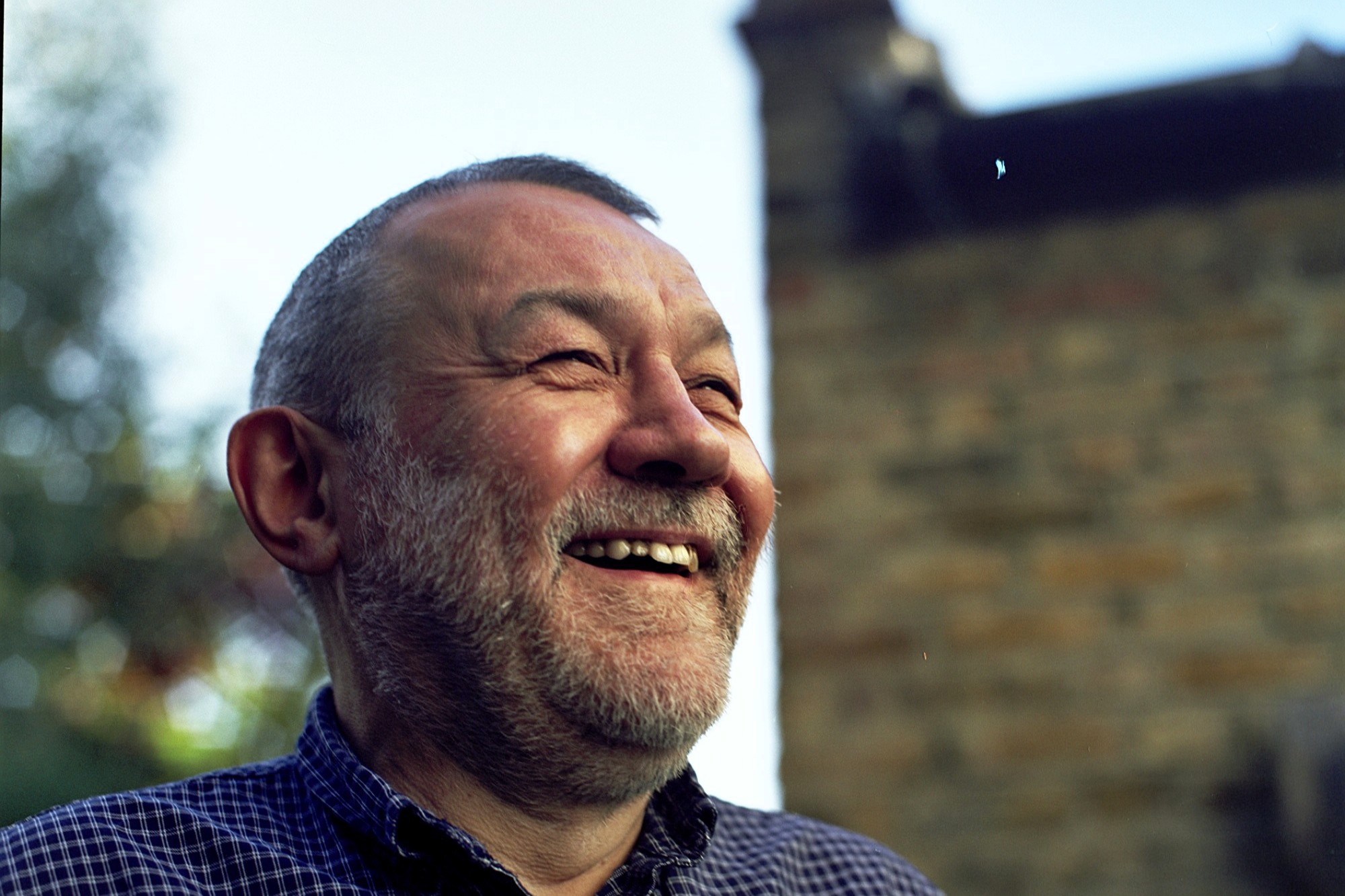
Allan Sutherland has campaigned for, written and performed extensively on the subject of disability for over thirty years, using art as a vehicle through which to explore his own experiences of living with epilepsy. In 1998, Allan’s discussion paper, ‘Footprints in the Sand’, argued that it was essential to preserve disability arts for the future. As founder of the Edward Lear Institute, a disability arts think tank, Allan compiled a ‘Chronology of Disability Arts’ in 2003, which has been an indispensable resource for NDACA, and now NDMAC.
He was actively present at many DAM movement actions from the late 80’s, instantly recognisable by his broad brimmed hat and often wearing a white suit. He wrote press releases for the Block Telethon actions, worked with the campaign for accessible transport (CAT), Rights Now! and DAN.
Allan has written many publications, but is perhaps best known for his award-winning book, ‘Disabled We Stand’ (1981), a classic text of the movement which sheds light on the lived experiences of disabled people and discusses personal politics. The politics of disability has been influential in all aspects of his life and work; for example, in 1989 Allan published an open letter in DAIL magazine criticising the Arts Council’s application for exemption from the employment quota.
Between the years 1986 to 2008, he was heavily involved with the work of LDAF (London Disability Arts Forum), through which he came to be a regular compere at ‘The Workhouse’, the first disability-led cabaret club. Allan also created and co-wrote the award-winning ‘Inmates’, the first ever sitcom pilot with a disabled cast, which was later adapted into a Radio Four play in 1997.
Activist
Interviewee